
Introduction
The movement of the heavy loads in the warehouses and industry is carried out with the help of battery-powered machine skates. This equipment can move loads up to 100 tons. The load’s movement is controlled remotely. Different equipment, like CNC machines, generators, and heavy loads, could be moved with minimal force. A battery-skate uses a Lithium-ion battery. The speed of the machine skates is around 5-8 m/min. The average battery cycle is about 6-8 hours. The equipment can manage weight without causing serious injuries. This will improve the industry’s and the warehouse’s performance and efficiency.
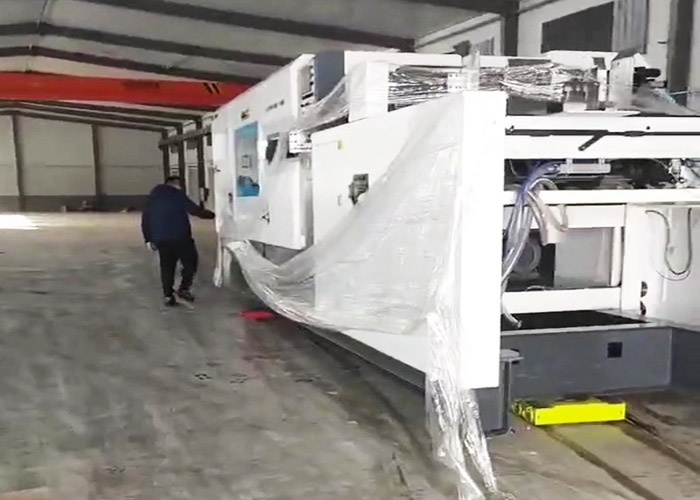
Using machine skates powered by batteries can lead to certain issues. These issues could be related to:
- Battery-related issues
- Issues related to the electrical system and remote
- Wheels and mobility issues
- Maintenance issues
After the indication of these issues, the user can overcome and minimize the downtime. After that, the user can achieve smooth, uninterrupted material handling.
This article explains typical problems with battery-operated machine skates. They can then solve the issue to achieve the best outcomes.
Battery-Related Issues
The major component of the battery-powered machine skates is the battery. The equipment’s operation entirely depends on the battery used in the system. The major problems associated with batteries are as follows:
Problem 1: Battery won’t charge or won’t hold a charge
The primary issue with battery skates is that their charging capacity degrades over time. This problem occurs due to battery degradation, connection issues, and charger problems. If the battery won’t get charged, it won’t function properly. The user should ensure the outlet provides 110-260V to charge the battery. The charging cable is often damaged, and the battery won’t charge properly.
Next, make sure the charging port is clear of debris and rust. The port needs to be cleaned by the user using compressed air or a dry cloth. For that problem, the user needs to examine the battery connections. It must be free of oxidation and tightened.
The lithium-ion batteries degraded due to extreme temperatures and voltages, affecting their performance. In these conditions, the battery lost its capacity to retain a charge. Try to avoid overcharging and store at 40-60% charge in cool conditions to prevent capacity loss.
Problem 2: Reduced run time or sudden power loss
The average battery runtime is 3-8 hours. If the battery is moving heavy loads, it drains quickly. The reduced battery run time is an indication of cell failure and a loose internal connection. An abrupt loss of power will result if the condition continues. During the operation, the battery warms up.
It is essential to assess the weight of the equipment that needs to be moved with the battery-powered skates. Engineers in the industry ensure that load conditions are within the capacity of the battery skates. The battery skates could hold from 10 to 100 tons of equipment.
Temperature conditions also affect battery performance, leading to reduced run time and sudden power loss. Before transferring large loads, the battery must be fully charged, as doing so may cause it to discharge. It is important to note that the battery is being discharged in half the time it would take for a replacement to be delivered.
Drive and Motor Issues
Problem 1: Skates won’t move or move slowly
If the battery skates are moving slowly or not moving at all. The reason is that the battery is not fully charged. It is crucial to ensure the battery is fully charged before beginning any task. If the load exceeds the battery skate’s capacity, that might be a reason for slow movement.
Motor parts, such as gearboxes and drive wheels, accumulate dirt and debris easily. It is essential to clean them before moving heavy loads. If the motor fails, it is advised to replace the motor.
Problem 2: Motor or drivetrain making unusual noises
Proper operation of the battery-powered skate motor requires sufficient lubrication. To identify any loose or damaged wires, the engineer must examine the motor wiring. The motor’s sound is like a click, a whine, and a grind. Heavy load bearing during the process may damage the components. All these damaged components produce an unusual sound.
Electrical issues and failed windings cause the unusual sound. It is advised that the operation stop immediately upon the user hearing the sound.
Remote Control and Electrical Issues
Problem 1: Remote control unresponsive or intermittent signal
An unresponsive or intermittent signal may indicate that the remote’s batteries are low. The remote may have disconnected from the skate. Consider manually re-pairing the remote to the skate. If the remote’s antenna is damaged or absorbs moisture, the signal may drop. The presence of any other device within the premises will cause the unresponsiveness.
Problem 2: Error codes on the display or controller
On modern devices, the remote control’s display indicates a connection error. The battery-powered machine skate’s remote-control display:
- E01 error for the battery issue
- E02 error for the motor faults
Restarting the remote and re-pairing it will solve the problem.
Wheel and Mobility Issues
Problem 1: Skates move unsteadily or veer to one side
The significant problems with the wheels and mobility are misalignment and veering. The wheels of the skates must align straight and not be blocked. Wear on wheels or pressure differences will cause rotation and replacement. For the wheel to function properly, it must be replaced if damaged.
Problem 2: Wheels slipping or lacking traction
The wheel slipping occurs due to the oily, wet, and uneven surface. There is a higher risk of tripping and slipping when the load exceeds capacity.
Preventive Maintenance Tips
Any equipment that requires maintenance according to its maintenance tips. It is essential to maintain the battery skates. Specific maintenance tips for them are as follows:
- Always check the battery level before use. The battery must be charged fully.
- The connection port must be free from any wear and tear.
- It is important to check the wheel condition.
- Notice any unusual noises before putting the battery-powered machine skate in operation.
- Always store the machine skates in a dry and clean place. It is necessary to keep the temperature between 15 and 25 °C. And the battery should be 40-60% charged.
- If the battery skates are showing continuous, the user must seek professional repair.
When buying battery-powered machine skates, choosing a trustworthy supplier is crucial. For that, Finer Lifting Tools has the best battery-powered machine skates. They are providing lithium-ion battery-powered skates. They are offering a 1-year warranty to improve customer service.
Conclusion
Many industries and warehouse owners are using battery-powered machine skates. These are helpful when moving bulky items from one location to another. The battery, engine, remote control, and wheels are the most frequent issues. It is important to assess the problem and suggest the appropriate solution. Minimal measures, such as battery charge, load capacity, and wheel states, can reduce downtime. Monitoring abnormal sounds and observing error codes are also useful for avoiding significant harm. In the long term, preventive repairs are crucial. Early problem resolution puts operations back on track and makes them safe. Implementing a manufacturer policy and choosing a reliable supplier can improve the outcomes. Equipment longevity and efficiency are increased through maintenance.