
Introduction
Air casters operate on the principle of transporting heavy machines via compressed air, without wheels. This device uses a thin cushion of air that floats just above the ground, reducing friction between the object and the ground and making it easy to move. The use of air casters is common in factories to move heavy machinery, medical equipment, and other heavy items.
Maintenance plays an essential role in increasing the life of air casters and keeping them operational safely. This article tells about the daily inspection and cleaning methods for air casters. It also covers some common issues, safety precautions, and the maintenance schedule.
How Air Casters Work
The air casters operate on the principle of creating a micron-thin air film beneath the load using compressed air. In this process, the load floats in the air film slightly above the floor level. There will be very little friction because the load is floating on air rather than on wheels and rollers.
The minimum compressed air pressure needed for air casters is 7 kg/cm². Some airflow rates range from 4.5 to 12 m³/min, depending on the load.
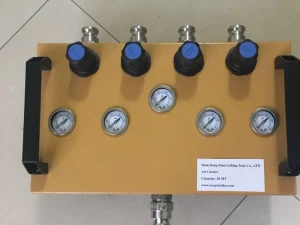
Most air caster systems use several air modules connected to the air control panel. The load distribution is achieved by adjusting the air pressure on each load module.
The air casters move loads weighing from 10 to 120 tons. These systems perform well on smooth and sealed floors. Epoxy-coated concrete, polished concrete, vinyl flooring, and sealed concrete can do a decent job.
The floor must have a smooth surface. Floors used to move loads manually should not have slopes greater than 0.2% over a distance of 10 feet.
Daily/Regular Inspection
· Check the Air Modules
Check every air module prior to use. Check for cuts, tears, worn spots, or damage to the airbags. Any damage, no matter how small, can result in a loss of lift and air. Check all mounting screws and connections. Secure loose hardware prior to running the system.
· Inspect Hoses and Connectors
Check air hoses for cracks, kinks, or damage. Damaged hoses reduce airflow and affect lift. Check quick connectors and fittings for leaks. Listen for hissing noises in the system when operating.
· Look at the Floor Surface
Check the travel path prior to moving equipment. Take out sharp objects, metal objects, stones, and other debris. Airbags can be damaged by sharp objects, leading to costly repairs.
· Watch the Gauges
Many air caster systems feature pressure-reading gauges on the control console. Monitor the gauges while in operation. Adhere to the manufacturer’s pressure limits. Systems are indicating that the operating air pressure should not exceed 0.45 MPa.
Cleaning Procedures
· Remove Debris First
Clean any area of the system that contains loose dirt, dust, strings, or other contaminants by brushing, using a cloth, or applying compressed air. It is important to be watchful of any area surrounding the fittings or the air connections.
· Clean Air Casters Carefully
Clean areas covered with dirt using a soap solution, then wipe with a soft cloth. Avoid using strong solvents such as gasoline, acetone, and other aggressive substances, as they can damage rubber components and other materials. Abrasive pads and steel wool are not recommended because they roughen the surface.
· Dry All Parts
Dry all the parts after cleaning. Corrosion will be caused by water trapped inside the airbag system. The water will settle on any part that lacks sufficient space for air to flow through.
· Check for Damage During Cleaning
During cleaning, you get the opportunity to examine the system. Worn-out airbags, loose components, damaged hoses, and leaking connections should be checked. Identifying problems beforehand will help prevent the need for repairs.
Air Supply System Maintenance
· Check Compressor Oil
It is important to maintain air compressors regularly. Check oil levels daily and keep oil at the correct level. Most manufacturers suggest changing the oil after 500 operating hours or every 90 days. Always read and follow the compressor’s instructions.
· Look for Air Leaks
Frequently switching the compressor on and off suggests air leakage. Inspect pipes, joints, and regulators, and repair any leakage immediately.
· Drain the Receiver Tank
Drain the tank of water at least once per week. Failure to do so may result in reduced efficiency and possible damage to the equipment.
· Maintain Filters and Regulators
Inspect the regulator and adjust it to the required pressure setting. Inspect the filter for dust and debris. The air filter should be cleaned or replaced every week.
Storage and Idle Care

· Store Equipment Indoors
Keep air-caster equipment indoors as much as possible. Indoor storage will prevent damage to components from rain, moisture, direct sunlight, and extreme temperatures. These conditions reduce equipment lifespan.
· Protect the Airbags
Avoid using sharp objects with stored air casters. Locate equipment in a clean area free of tools, scrap metal, or debris that could compromise the airbags.
· Relieve Long-Term Pressure
When the tool is not in use for extended periods, unload the air casters as needed. Minimizing pressure on the component during storage prevents damage.
· Keep the Area Clean
It is common for dust and debris to accumulate around stored equipment. Housekeeping services reduce contamination and maintain better conditions of air lines and fittings.
Troubleshooting Common Issues
· Air Caster Will Not Lift Properly
The first thing you should do is check the air source pressure. Look for any leakage on air lines, connectors, and fittings. Uneven lifting can occur if the airflow is weak.
· Uneven Load Lifting
When the lifting is uneven, either the air pressure settings are incorrect or the load distribution is poor. Make sure you have set the air pressure correctly and distribute loads equally.
· Difficult Movement
Air casters should move easily on the surface they operate on. If you find it difficult to move the caster, ensure you examine the floor for any abnormalities, such as cracks, holes, or openings.
· Damaged Airbags
It is important to repair any damaged airbags. Damaged airbags cannot make the machine run effectively.
Maintenance Schedule & Record Keeping
· Follow a Regular Schedule
Maintenance frequency should match equipment use.
| Equipment Use | Operating Time | Inspection Frequency |
| Light duty | Under 20 hours per week | Annually |
| Medium duty | 20 to 40 hours per week | Every 6 months |
| Heavy duty | 40 to 120 hours per week | Quarterly |
| Continuous operation | 24/7 operation | Monthly |
| Outdoor service | Any duty level | Twice as often as the normal schedule for that duty level |
· Keep Maintenance Records
Record important information after each inspection:
- Asset identification number
- Inspection date
- Inspector name
- Problems found
- Repairs completed
- Replacement parts installed
- Operating hours
Good documentation can help identify any problems and make warranty claims.
· Photograph Problems
Taking photographs of the broken parts of the machinery that require replacement will aid in diagnosing the cause of the problem and in decision-making regarding future maintenance.
Safety Considerations
· Follow Load Limits
Never exceed the maximum load limit of your machinery because overloading will stress the machine.
· Load Distribution
Ensure that the load on the machine is evenly distributed to all air modules. Uneven load balance will stress some of the air modules.
· Use Proper Training
Operators of the machinery must know how to handle and use them appropriately by moving them within their load capacity.
· Wear Safety Equipment
The right clothing, including shoes and gloves, must be worn while operating the machinery. There must be clear communication among all operators.
Conclusion
Air casters rely on a thin film of air to transport heavy machinery. Air casters have a simple structure that allows them to move freely. Through proper maintenance, cleaning, air system checks, and proper storage, air casters function efficiently.